
Classes

Our classes are designed to improve your photography and visual journalism skills no matter your skill level. This year, classes will be held online in small, intimate groups. Participants, teachers and guest lecturers will come together virtually in May 2026 to celebrate their photographic stories and learn new skills.
Our teachers are some of the world’s most influential photographers and visual journalists. They offer perspectives gained from long experience working around the world.
Please note that our instructors and presenters are subject to change.
Teachers
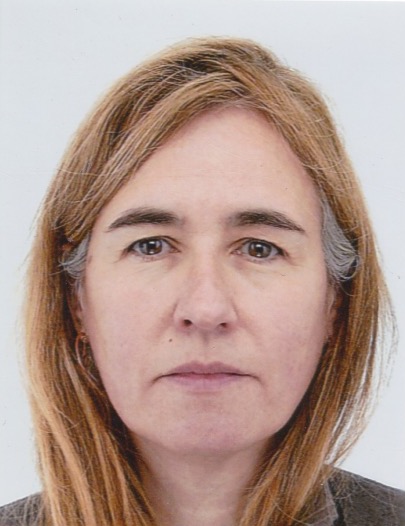
Monica Allende
[Classes taught in Spanish + Portfolio Reviewer]
Monica Allende is an independent curator/artistic director, consultant and educator. She is the Artistic Director of Landskrona Foto Festival and was GetxoPhoto International Image Festival Artistic Director from 2017 to 2019. She curated “Light” an exhibition during PhotoLondon 2021 at Peckham24. She has also collaborated with WeTransfer as a Consultant and Creative Producer and was the FORMAT17 International Photography Festival director. She is curating the Blues Skies Project, a multidisciplinary project with artist Anton Kusters and Ruben Samama, shortlisted for the Deutsche Borse Photography Foundation Prize 2019 and exhibiting in Les Recontres d’ Arles in 2021. She collaborates with Canon Europe as an adviser on the Ambassadors and the Student Mentorship Programmes. She advises CAMPO.lat, a grassroots digital platform, on strategy and programming. Allende was the Photo Editor at the Sunday Times Magazine, where she launched Spectrum, the award-winning photography section.
She is a visiting lecturer at the London College of Communication, London & EFTI in Madrid. She is a collaborator and teaches programmes in Latin America and Sarajevo for the VII Academy part of the VII Foundation. She has also produced and taught creatives labs for FIFV in Chile, Proyecto Imaginario, Argentina, ScreenLab in London and Taskheil in Saudi Arabia. The Mentorship Business Programme for the University of Sunderland’s and workshop for Internazionale a Ferrara, WPP workshop Angola, Magnum Professional Practice, Grain and Format “East Meets West “ Programme among many others, and WPP JOOP Masterclass.
She is dedicated to nurturing new and established talent and nominates photographers for prizes, including the Paul Huf Award , Deutsche Börse TPG Photography Prize, the Leica Oskar Barnack Award, the Prix Pictet and The Joop Swart Masterclass/ WPP.
Allende is also a reviewer and ambassador for Reminders Photography Stronghold in Japan and Docking Station in Holland. She is on the Board of Trustees of Photoworks advising on curatorial practices.
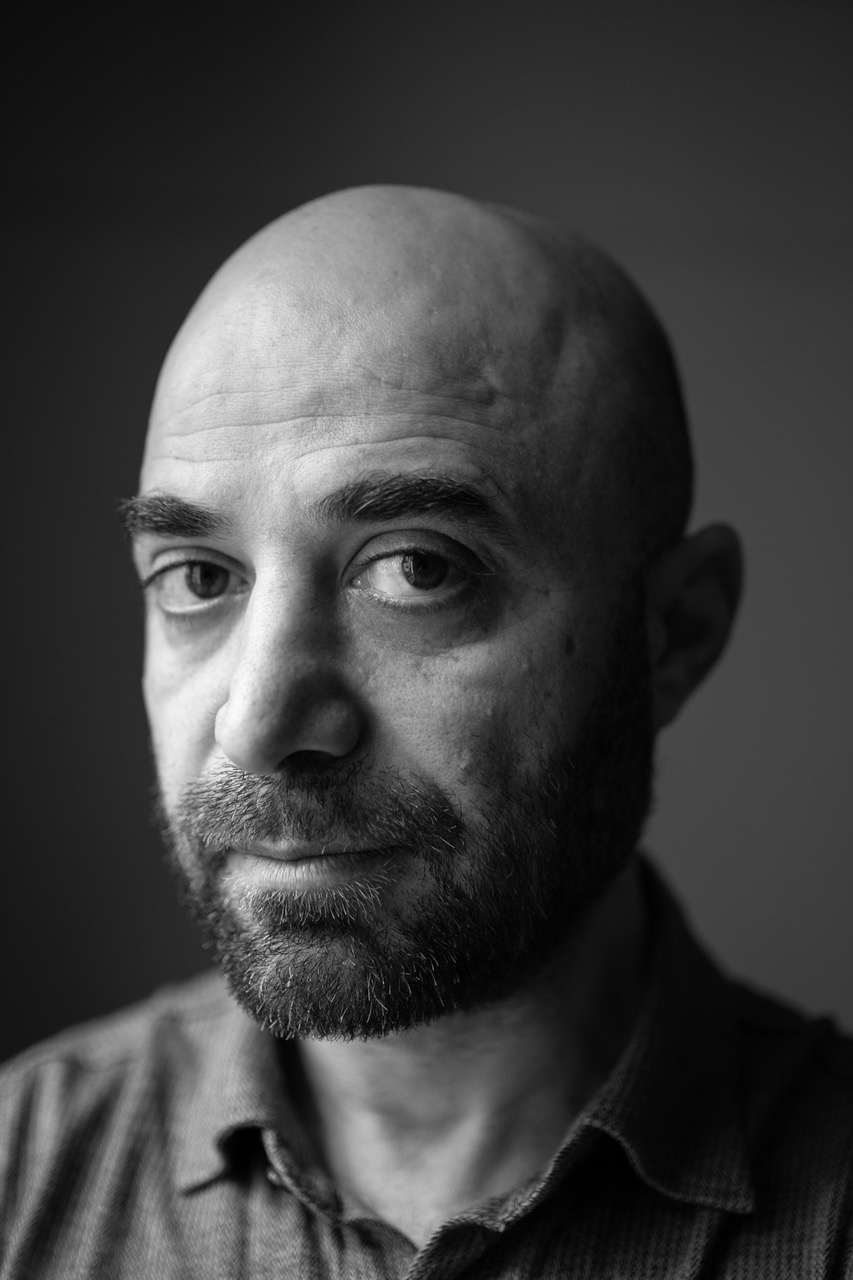
Ali Arkady
[Individual Classes taught in Arabic and Kurdish]
Ali Arkady is a photojournalist, artist, and filmmaker whose work focuses on armed conflict, human rights violations, and the everyday impact of war on civilians in Iraq and the region.
His investigations documenting war crimes by Iraqi armed forces were published internationally and contributed to holding authorities accountable. His work has been widely exhibited and recognized,
including at the Venice Biennale(2017), and through major international awards such as the Bayeux Prize for War Correspondents (2017) and the Most Resilient Journalist Award from Free Press Unlimited (2019).
For more than 22 years, he has documented conflict, displacement, and social change in Iraq and beyond. Arkady is a Contributing Photographer with VII Foundation, and is actively involved in teaching and mentoring
emerging photographers through educational programs, while continuing to develop long-term photographic and cinematic projects addressing human rights and social justice.
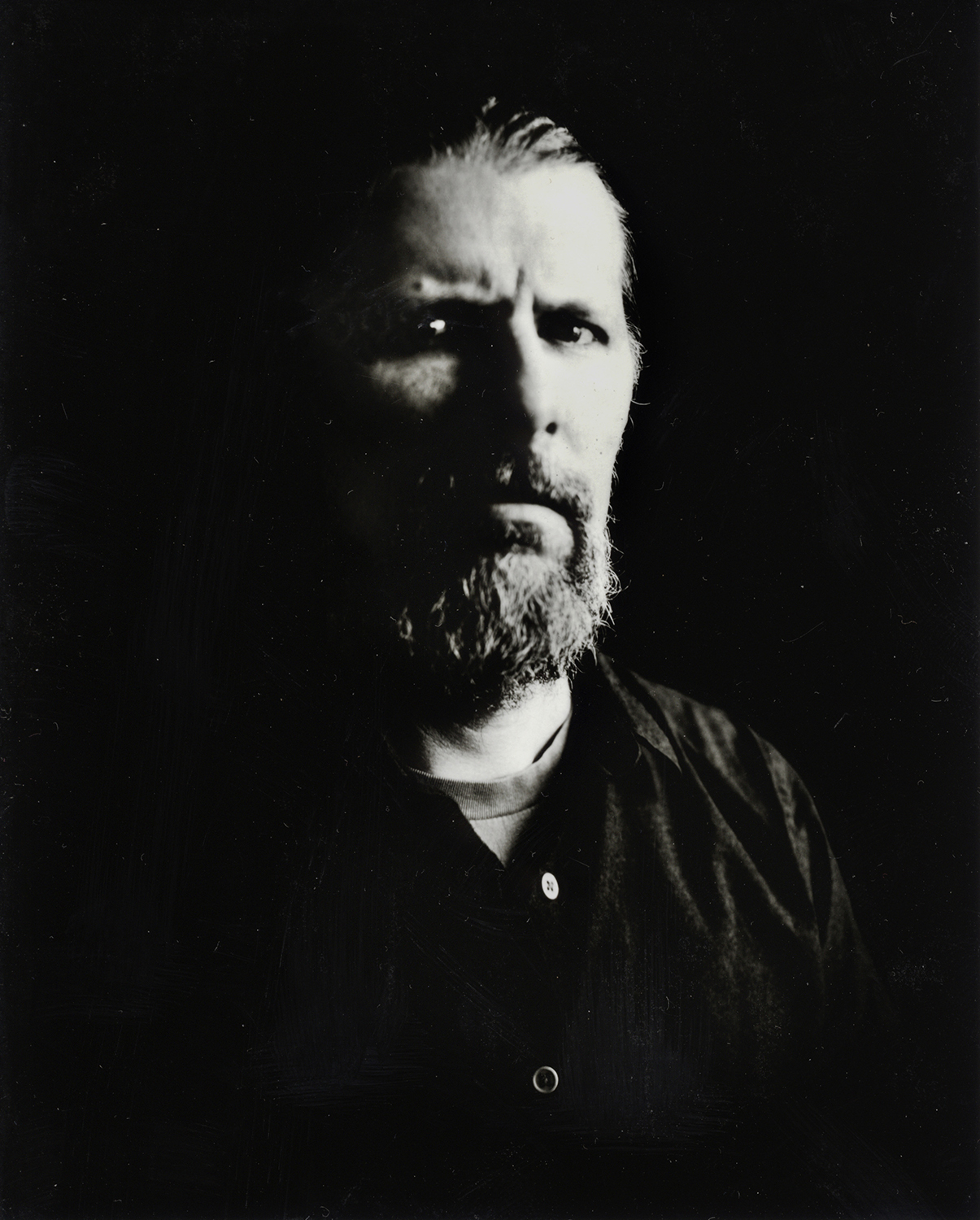
Victor Blue
[Classes taught in English]
Victor J. Blue is a New York based photojournalist and a 2024 ASU Future Security Fellow at the New America Foundation, whose work is most often concerned with the legacy of armed conflict, the reclamation of human rights, and unequal outcomes resulting from policy and politics. He is a contributing artist at Harper’s Magazine, and holds a Masters Degree in Visual Communication from Ohio University.
His photographs appear in The New York Times, The New Yorker, Harpers Magazine, The New York Times Magazine, Smithsonian Magazine, Bloomberg News, Time, New Lines Magazine, and Mother Jones. His work has been exhibited at the Bronx Documentary Center, Powerhouse Gallery, the Walker Art Center in Minneapolis, and the Yerba Buena Center for the Arts in San Francisco. His work has been supported by grants from the Pulitzer Center for Crisis Reporting, the NPPA, and Ohio University, and recognized with 7 Pictures of the Year International awards, 5 NPPA Best of Photojournalism awards, and by the Overseas Press Club.
Michael Robinson Chavez
[Classes taught in Spanish]
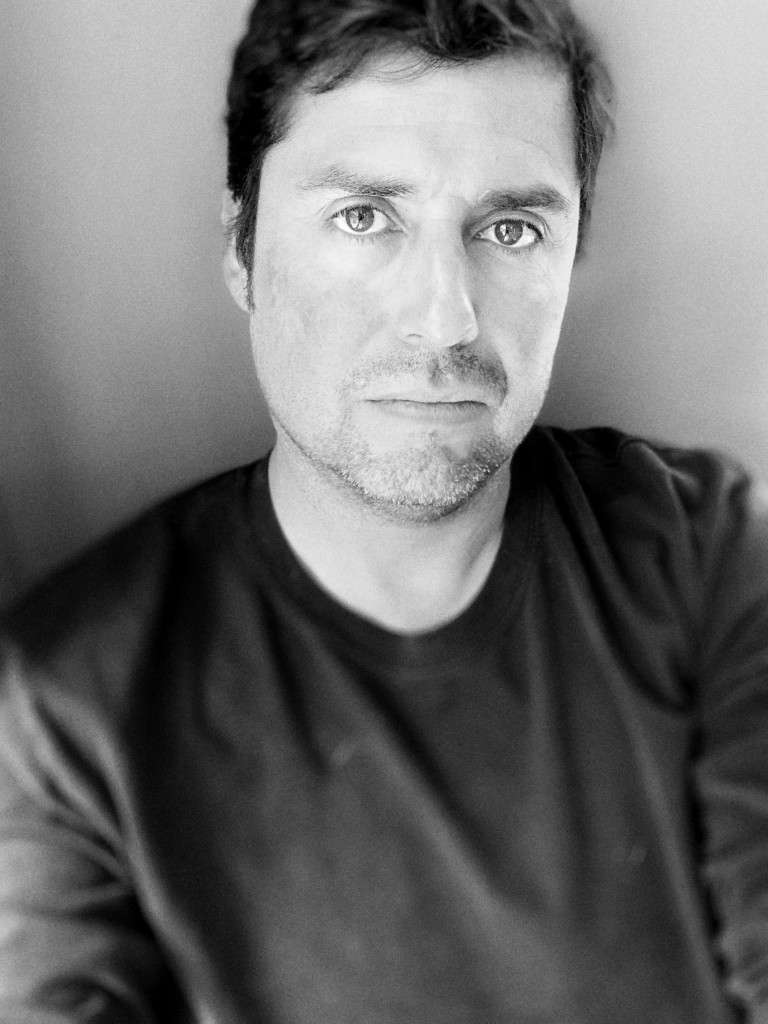
Michael Robinson Chávez, a two-time Pulitzer Prize winning photographer for The Washington Post, became seduced by photography after a friend gave him a camera before a trip to Peru in 1988. A native Californian and half Peruvian, he previously worked with the Associated Press, The Boston Globe and The Los Angeles Times and is a graduate of San Francisco State University. Robinson Chávez has covered assignments in over 75 countries including the Russian invasion of Ukraine, the collapse of Venezuela, violence in Mexico, tsunamis in Indonesia and Chile, the Egyptian revolution, gold mining in Peru and the 2006 Hezbollah/Israeli war.
He was part of a team from The Washington Post awarded a 2022 Pulitzer Prize for Public Service for coverage of the January 6th coup attempt on the US Capitol and for Explanatory Journalism in 2019 covering climate change. He is also a three-time winner of the Robert F. Kennedy Award for Photojournalism and was named Photographer of the Year by Pictures of the Year International in 2020. His photographs have been exhibited in France, Australia, Peru, United States, Croatia, Georgia and Spain. He teaches photo workshops through the Leica Akademie.
Marko Drobnjakovic
[Classes taught in Bosnian/Croatian/Serbian]
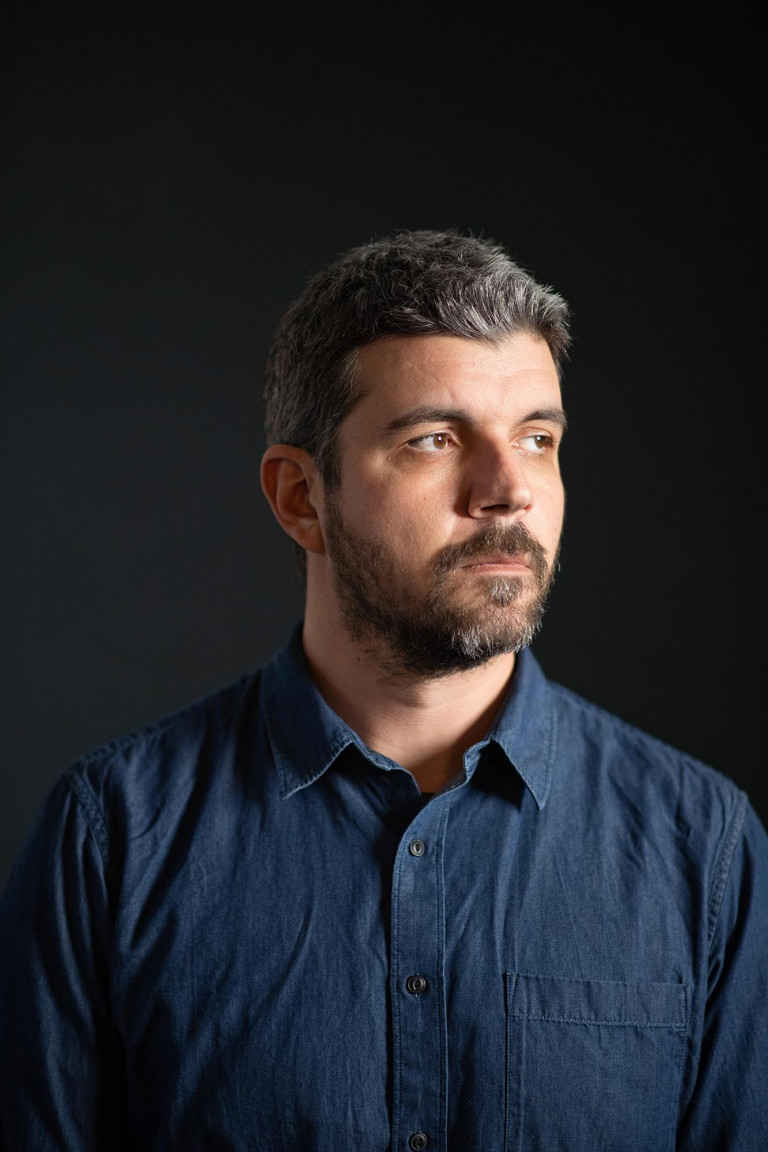
Marko Drobnjakovic is a freelance documentary photographer based out of Belgrade, Serbia. He graduated from Belgrade University with a B. Sc. and M. Sc. in Engineering. His photography focuses on post-conflict societies, and includes stories related to the Iraq conflict, the turmoil and escalation of conflict in Ukraine, the rise and fall of ISIS in northern Iraq, the refugee crisis in Europe and the aftermath and consequences of the Yugoslav wars.
Marko worked on feature assignments for publications and clients that include The Associated Press, NBC, MSF, International Rescue Committee, Human Rights Watch, Der Spiegel, El Pais and The New Yorker. Awards and grants include the Magnum Foundation Grant, Pulitzer Prize finalist for Breaking News Photography, Yunghi Kim Grant, Aftermath Project Grant finalist, Ochberg Fellowship, Logan Nonfiction Fellowship, Alfred Toepfer Fellowship Grant.
Kiana Hayeri
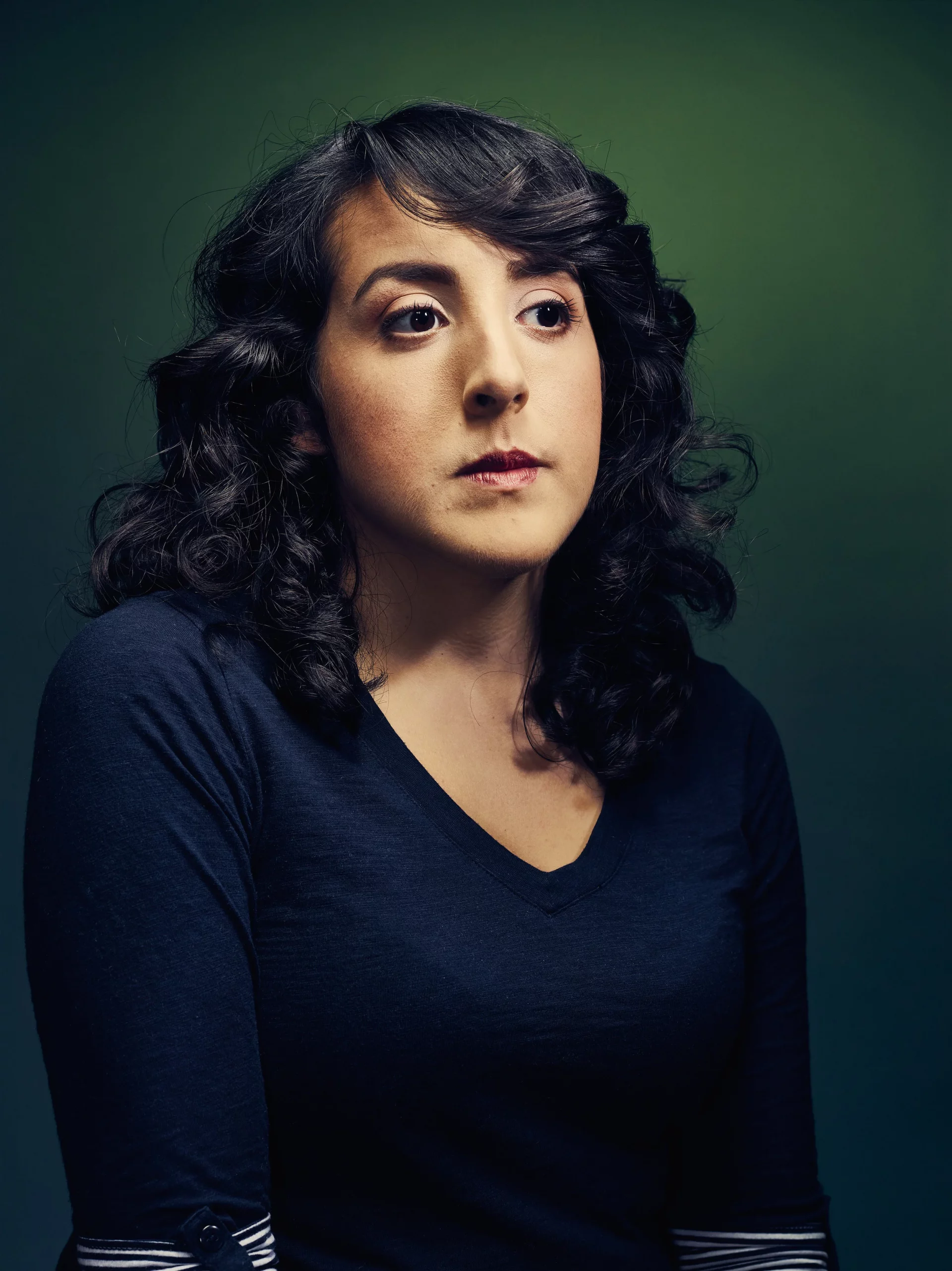
Kiana Hayeri grew up in Tehran, Iran, and moved to Toronto as a teenager. She took up photography to bridge cultural and linguistic gaps. In 2014, she moved to Kabul and lived there for nearly a decade. Her work often explores migration, adolescence, identity, and sexuality in conflict zones.
Kiana has received numerous prestigious awards, including the Tim Hetherington Visionary Award (2020), the James Foley Award for Conflict Reporting (2020), the Robert Capa Gold Medal (2021), and the Leica Oskar Barnack Award (2022), the Carmignac Photojournalism Award (2024), and the World Press Photo Prize (2025). She was part of The New York Times team that won The Hal Boyle Award (2022) and was shortlisted for the Pulitzer Prize in International Reporting in the same year.
Kiana has published two photobooks, “When Cages Fly” (2024) and “No Woman’s Land” (2025). “When Cages Fly” was shortlisted for Rencontres d’Arles Author Book Award, IPA Photobook Awards, a finalist for Lucie Photobook Award and APhF Pick:24 Book Award and the winner of The Photography Book of the Year by POY (Picture Of the Year).
Kiana is a TED fellow, a National Geographic Explorer grantee, and a regular contributor to The New York Times. She is currently based in Sarajevo, covering stories from Afghanistan, Syria, the Balkans, and beyond.
Alison Morley
[Classes taught in English + Portfolio Reviewer]
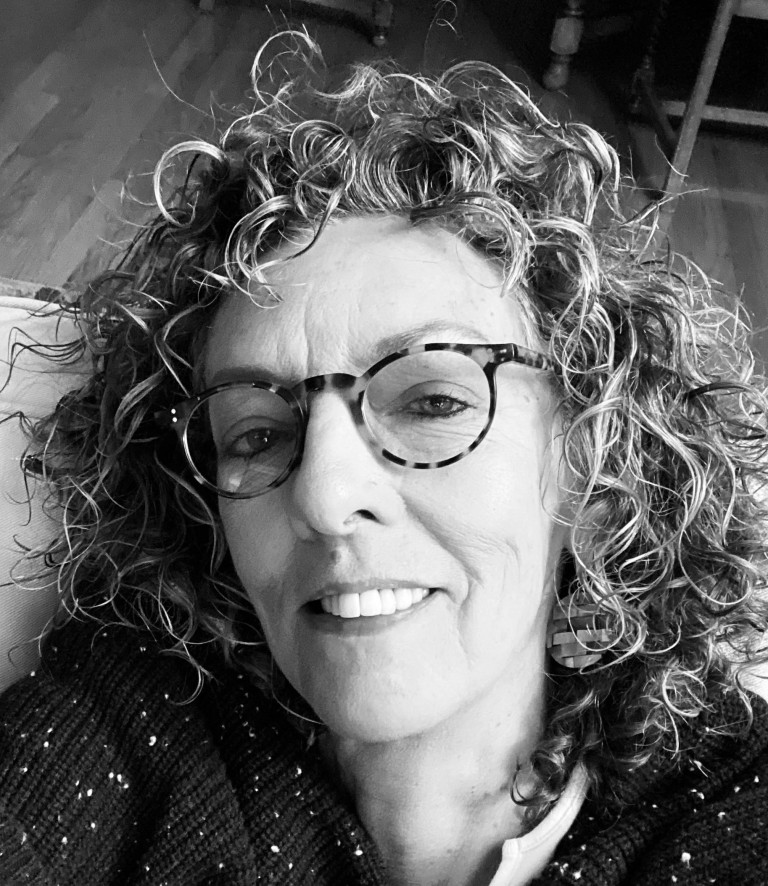
Alison Morley is the Chair Emerita of the Documentary Practice and Visual Journalism Program at the International Center of Photography (ICP) in New York, where she led a wide range of international students and faculty for 18 years. She began her career as a portrait photographer in Los Angeles and after ten years of working with various magazines , she moved on to become the Director of Photography at The Los Angeles Times Magazine. She later moved to New York City and worked as the Director of Photography at The New York Times Sophisticated Traveler, Audubon, Civilization, Esquire, Mirabella, Smart Money(consultant), OPRAH (consultant) and ELLE Magazines.
Alison currently works as a Book Consultant/Photo Editor/Photo Book Editor, Sequencer, Curator and Educator for photographers and partnering institutions globally. Recently she curated the Daegu International Photo Festival in Korea, taught as a high school mentor for the YMCA_VII Academy Youth Voices Photography Program in Boston and was the 2024 Coordinator for the Foundry Photojournalism International Workshop, supported by VII Academy and Photowings.org.
Her forte is Documentary Practice and Visual Journalism, but she has worked in every genre of photography. She teaches and coaches Digital Book Making Online for the International Center of Photography as well as private clients in all levels and aspects of their photographic journey.
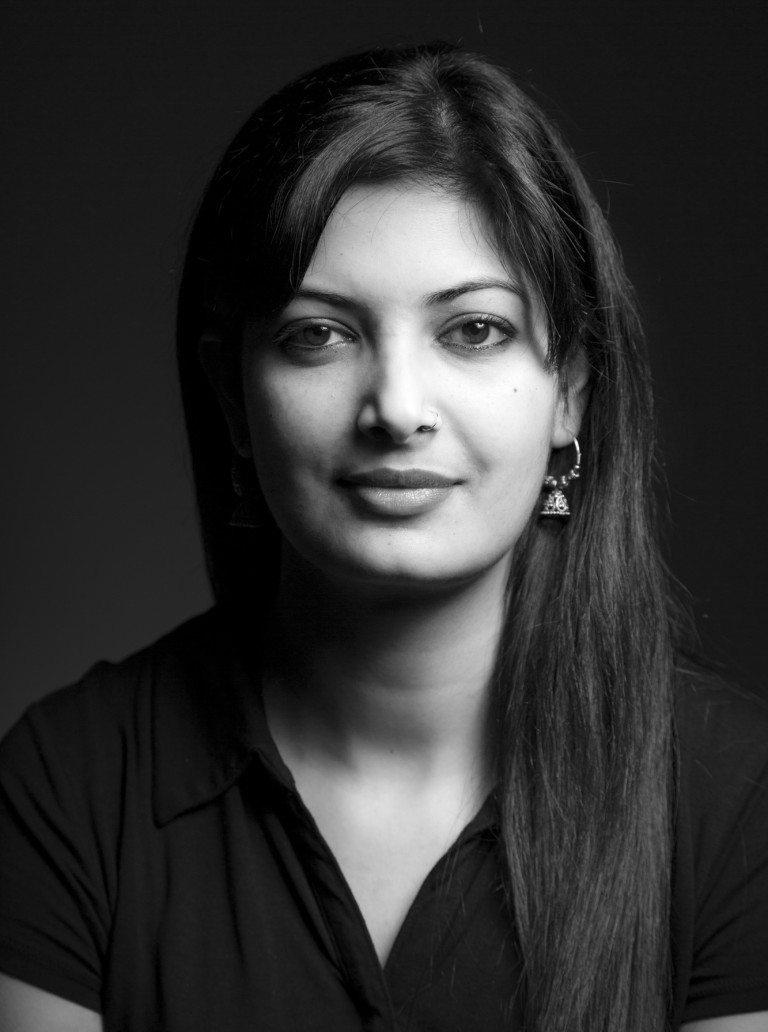
Smita Sharma
[Classes taught in Hindi/Bengali]
Smita Sharma is a Delhi based photojournalist and visual storyteller reporting on critical human rights, gender, social justice and environmental issues in her own community as well as in the Global South on assignments for Human Rights Watch, National Geographic Magazine, TIME and other publications.
From documenting the effect of pregnancy on girl’s education in Kenya to child marriage in Nepal, and sex-trafficking in South Asia, Sharma is committed to representing people with dignity and telling underrepresented stories with impact.
Smita is a TED fellow, TED Speaker and an IWMF reporting fellow. For Stolen Lives, her in-depth work documenting minor sex trafficking in India and Bangladesh for National Geographic Magazine, she received the Amnesty International Media award for photojournalism and the Fetisov Journalism Award for Outstanding Investigative Reporting.
Smita is actively engaged in public speaking, victim advocacy and international public education. Her work has been exhibited and shown globally, including at the UN Headquarters in New York. Her book We Cry In Silence documenting cross-border trafficking of underage girls in South Asia is published by FotoEvidence and she is organising a campaign in the region aimed at educating and raising awareness amongst the communities most vulnerable to human trafficking.
Book – ‘We Cry in Silence’ published by FotoEvidence in September 2022.
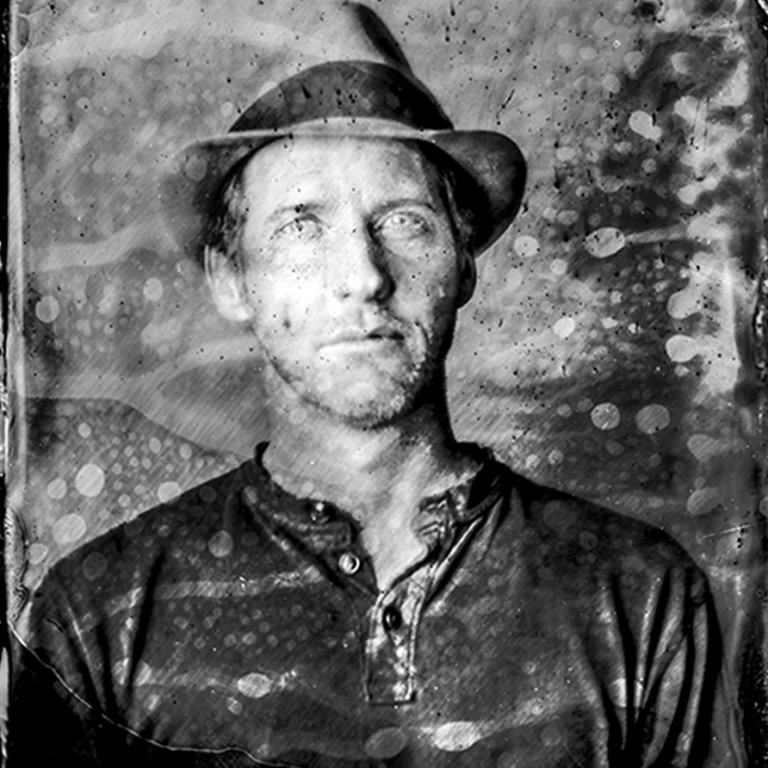
Tomas Van Houtryve
[Classes taught in French]
Tomas van Houtryve is an artist, photographer and author who engages critical issues around the world. His major works interweave contemporary concepts, investigative journalism and metaphor, occupying the intersection between art and pure documentary. Many of his projects push the technical limits of photography, from 19th century chemical processes to thermal imaging and Augmented Reality.
Van Houtryve’s work is included in the permanent collections of the International Center of Photography Museum (ICP), the Nelson-Atkins Museum of Art and the Museum of Contemporary Photography in Chicago (MoCP). He is the author of the book Behind the Curtains of 21st Century Communism. His groundbreaking Blue Sky Days series about America’s drone wars was published in Harper’s in 2014 as the largest photo portfolio in the magazine’s 164-year history.
Van Houtryve has been honored with over a dozen top awards, including the ICP Infinity Award, World Press Photo, POY Photographer of the Year and the Bayeux Prize for War Correspondents. He is frequently invited for public speaking engagements and has appeared on the BBC, CNN, MSNBC, ARTE and France 5. He is a CatchLight Pulitzer Fellow.
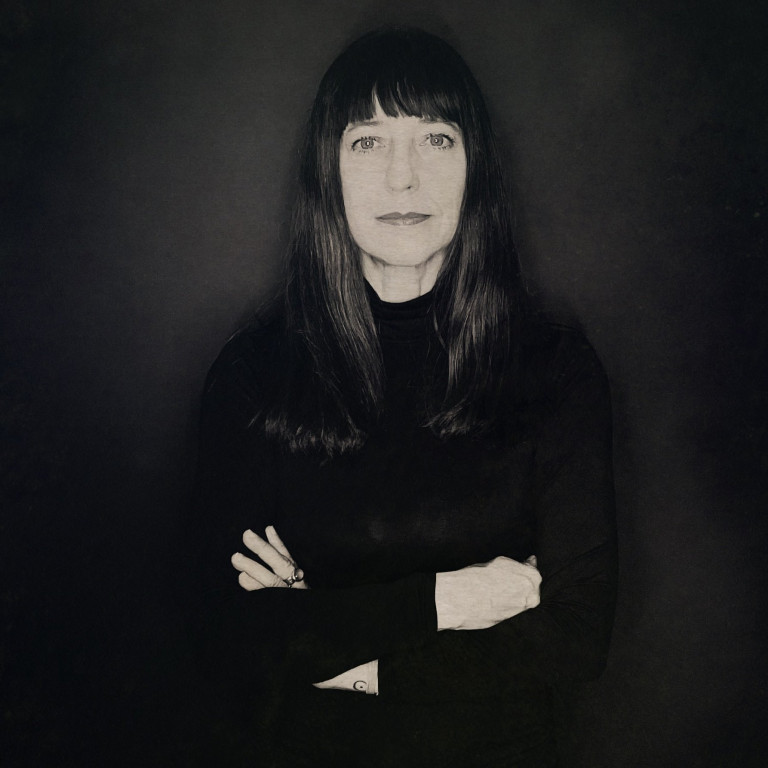
Adriana Zehbrauskas
[Classes taught in Portuguese]
Adriana Zehbrauskas is a Brazilian documentary photographer based in Phoenix, Arizona. Her work is largely focused on issues related to migration, religion, human rights, underrepresented communities and the violence resulting from the drug trade in Mexico, Central and South America. As a documentary photographer the core of her work is aimed at moving, challenging and connecting people through the stories she works on.
She contributes regularly with the The New York Times, UNICEF, CNN, The Washington Post and The Guardian. Her work has been widely published in outlets such as The New Yorker, Stern, Der Spiegel, Le Monde, Libération, Folha de S. Paulo, Bloomberg and El País, among others.
She is the recipient of a 2022/23 Robert Capa Gold Medal Award Citation, 2021 Maria Moors Cabot Prize , 2021 Anja Niedringhaus Courage In Photojournalism Award Honorable Mention, a New York Press Club Award in Feature-Science Medicine and Technology in the Newspaper category for the article “Zika’s Legacy: Catastrophic Consequences of a Continuing Crisis (NY-2018) and a POY International (2019). She was a finalist for the Premio Gabo (2018) and received two Honorable Mentions at the Julia Margaret Cameron Award (2018).
Adriana is one of the three photographers profiled in the documentary “Beyond Assignment” (USA, 2011, produced by The Knight Center for International Media and the University of Miami. She’s a recipient of the first Getty Images Instagram Grant (2015) and was awarded Best Female Photojournalist in her native Brazil (Troféu Mulher Imprensa). Her mobile photography work was selected by Time Magazine for the “29 Instagrams That Defined the World in 2014″ and her project on Faith in Brazil and Mexico was awarded a Art & Worship World Prize by the Niavaran Artistic Creation Foundation.
She’s an instructor with the International Center of Photography (ICP- NY), the World Press Photo Foundation, Gabriel García Márquez’s Fundación Gabo, the Foundry Photojournalism Workshop and serves as a jury member to dozens of grants and awards worldwide, including the World Press Photo, POY LATAM and Premio Gabo.
PhotoWings’ Interviews with the 2026 Foundry Tutors
2026 Portfolio Reviewers
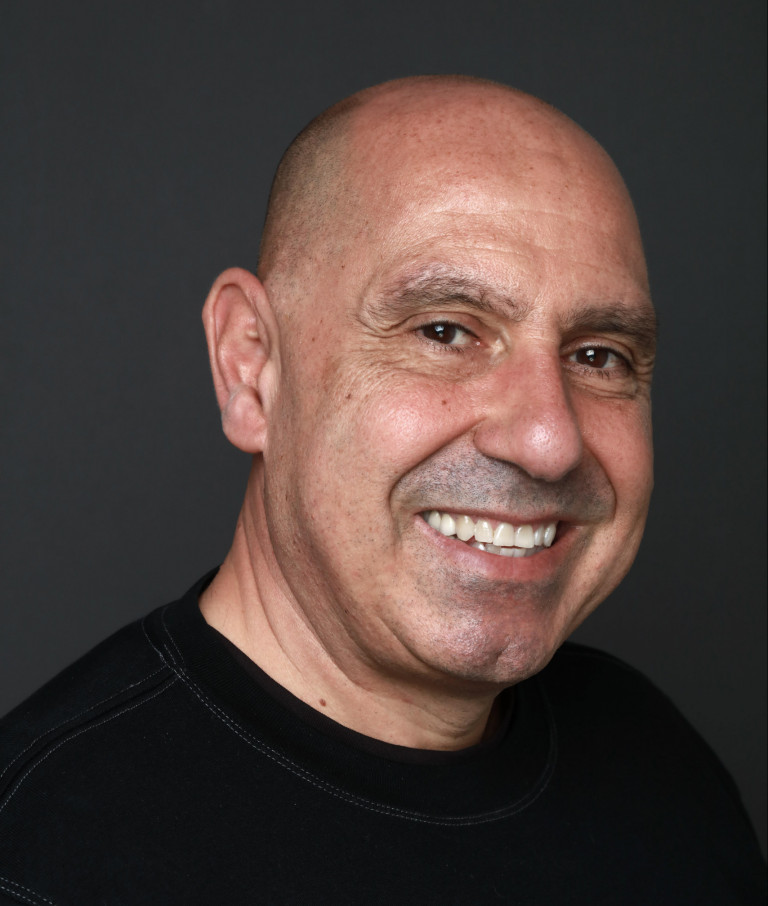
Marcel Saba
[Portfolio Reviewer | French, English]
In 2003 Marcel founded Redux Pictures, an award-winning New York City-based commercial and editorial photo agency with photographers located around the world. Redux artists have photographed portraits of world leaders, CEOs, politicians, athletes and celebrities. They have documented everything from social issues such as healthcare, immigration, and poverty, to global issues such as the economy, the environment, and war. In addition, their extensive travel, food, and lifestyle photography showcases Redux as an Industry leader. As a global leader in photography, Redux Pictures represents the photo collections of The New York Times Archives, and is partnered with over 25 world-renowned photo collections. Marcel has served on the board of the Eugene Smith Foundation and as a faculty member of the International Center of Photography. Regular Redux editorial clients include Afar, Forbes, Fortune, ESPN, The New York Times Magazine, Esquire, GQ, GEO, Time, Newsweek, The New Yorker, Reader’s Digest, and Travel &Leisure. Commercial shoots include contemporary annual reports for Goldman Sachs, USAA, and ad campaigns for Bose, Converse, Denny’s, Glossier, PNC Bank, Siemens, Under Armour and Vans
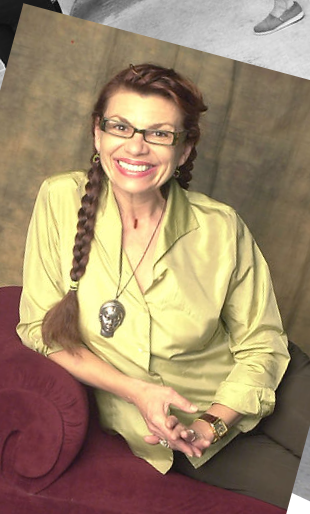
Maggie Steber
[Portfolio Reviewer | English]
Maggie Steber is an internationally renowned photographer whose work spans 72 countries, documenting humanitarian, cultural, and social stories with depth and empathy. Among her numerous honors include a Guggenheim Foundation Grant, Leica Medal of Excellence, World Press Photo Foundation Award, Overseas Press Club Award, Pictures of the Year, The Lucie Award,and the Alicia Patterson and Ernst Haas grants, a Knight Foundation grant for the New American Newspaper project, and most recently, the 2023 Photography Content Creator Award from the Hamdan Bin Mohammed Bin Rashid Al Maktoum International Photography Award in Dubai.
For three decades, Steber has devoted extensive work to Haiti, culminating in her Aperture-published monograph Dancing on Fire. In addition, she has published two other books, Rite of Passage and Anything Can Happen. National Geographic has featured her in 16 stories and recognized her as one of 11 Women of Vision with a book and a five-city U.S. exhibition in 2013. In 2018 she received the National Geographic Photographers’ Photographer Award. Steber has served as a Newsweek contract photographer and, in 1999, was named Managing Editor of Photography and Features at The Miami Herald, where she oversaw projects that earned a Pulitzer Prize and two finalist citations. Her photographs are housed in the Library of Congress, the University of Miami’s Richter Library, and private collections, and have been exhibited worldwide, including eight Leica galleries across the United States.
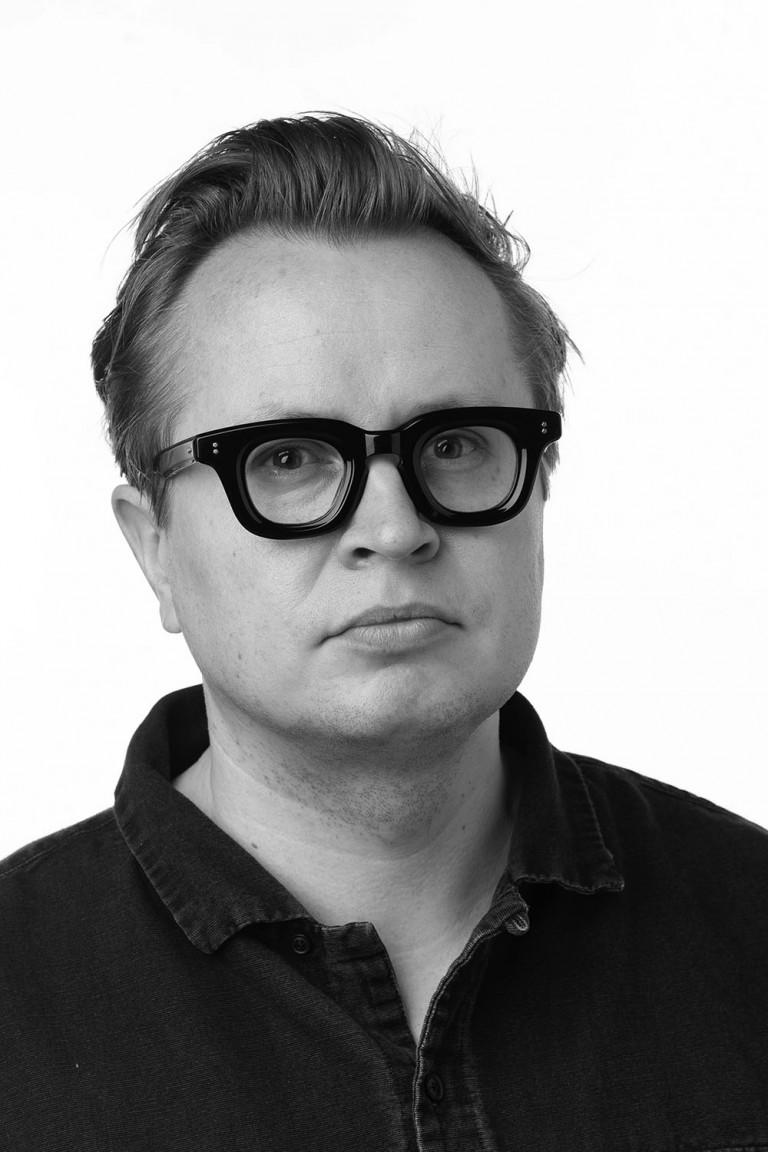
Mikko Takkunen
[Portfolio Reviewer | English]
Mikko Takkunen is a photo editor at The New York Times’s International desk in New York. Originally from Finland, Mikko spent a decade in the United Kingdom where he studied International Relations and later worked as a freelance photographer. In 2013 he joined time.com as a photo editor. In 2015 he joined the New York Times. He was the International desk’s Asia photo editor in Hong Kong 2016-2021. Now back in New York, he oversees the desk’s Africa, Arabian Peninsula, Afghanistan, and Pakistan photos.
2026 Foundry Guests
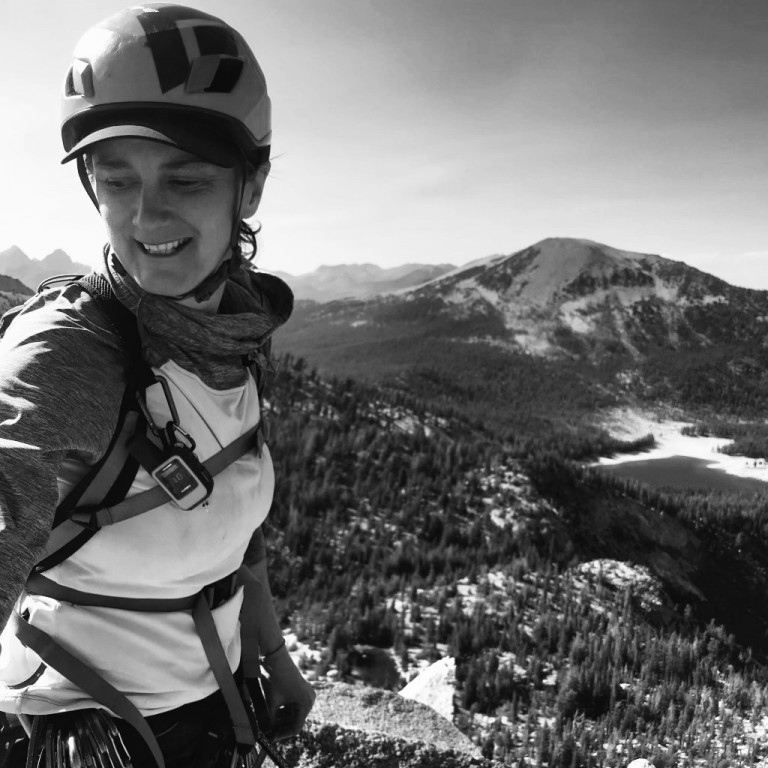
Bec Manson
Bec Manson is a photographic digital retoucher/artist and founder of The Post Office, a small and mighty Post Production Studio based in LA and NYC with an extensive list of commercial, editorial and fine art photographers, advertising agencies, and art galleries. Whether it’s shaping illuminated color trails with Rueben Wu on his Volkswagen campaign, supporting Guggenheim Grant recipient Jono Rotman with his deep dive into the delicate fiction of civilization and power structures in society, color grading acclaimed photojournalist Ron Haviv’s work for the Smithsonian Museum archives, or perfecting Claire Rosen’s whimsical Fantastical Feasts for NatGeo — she is a behind the screen wizard supporting creatives to achieve their highest vision for their work. Bec’s client list spans all genres from Apple to IBM, Armani to Nike, Masseratti to Harley Davidson – and global publications like The New York Times, Vogue, GQ, Esquire, Wired, Marie Claire, Harpers Bazaar, Pop, Another Magazine, Rolling Stone, and W. In 2012, Bec spoke at TEDGlobal in Edinburgh on the power and connections we have with capturing time and memories in images. Her talk was based on the program she developed from her time in Japan after the devastating tsunami in 2011 where she trained a team of local volunteers to clean virtually destroyed family photographs and galvanized a remote team for digital restoration — a program since executed following other natural disasters. Named in 2021/22 by Luerzers archive as one of the best 200 digital artists worldwide and recipient of the SXSW Dewey Winburne Community Service Award in 2012, Bec has also received recognition from PDN, Communication Arts, Graphis and the D&AD awards.
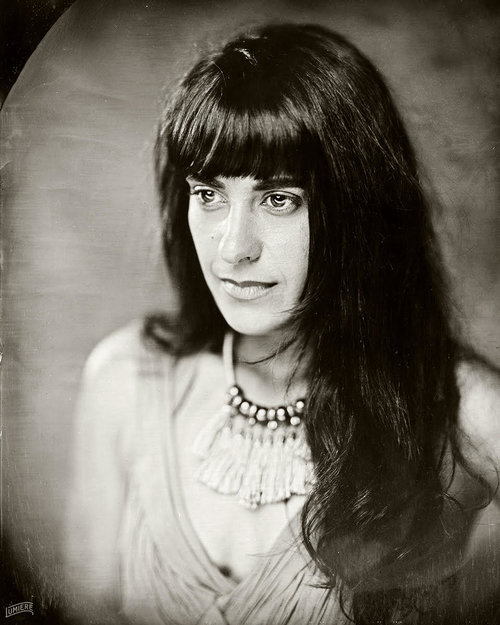
Claire Rosen
[Presenter]
Claire Rosen is an award-winning artist named twice to Forbes “30 under 30” list for Art & Design. Her work has also received recognition from Communication Arts, IPA, Graphis, PDN, Photoville Fence, and PX3 with features in Der Greif, Fast &Co, featureShoot, The Guardian, NPR, National Geographic, Refinery29, Smithsonian Magazine, Slate Magazine, and The Washington Post. Claire has constructed unique campaigns and installations for a wide range of commercial brands bridging the gap between fine art and commercial work. In addition, Claire speaks about the creative process around the world with a book on the subject, IMAGINARIUM: The Process Behind the Pictures. Claire is a brand ambassador for FujiFilm US and Hahnemühle USA.
Past Foundry Guests have included …
Monica Allende, Robert Dannin, Mike Davis, Maral Deghati, Nariman El-Mofty, Alice Gabriner, Julie Hau, Stephanie Heimann, Magdalena Herrera, Natalia Jiménez, Olivier Laurent, Santiago Lyon, Frank Meo, Dario Lopez Mills, Tanvi Mishra, Claire Rosen, Marcel Saba, Maggie Steber, Mikko Takkunen, Gaia Tripoli